
— Understanding Sushi Deepens the Experience —
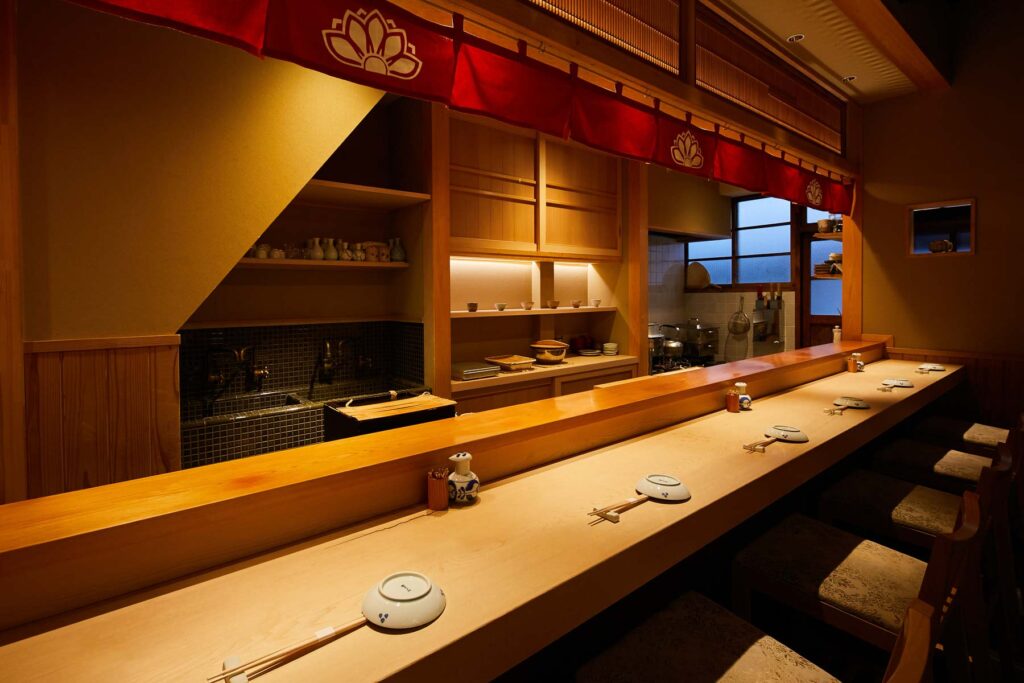
Sushi is now enjoyed all over the world, but many aspects of Japanese sushi culture are often misunderstood abroad.
At our counter, we frequently welcome international guests, and from time to time, we gently explain that
“in Japan, this actually has a different meaning.”
Understanding sushi culture does not require strict rules.
However, knowing a few key ideas can greatly enhance your experience.
Here are some of the most common misunderstandings about sushi outside Japan.
1. Mixing Wasabi into Soy Sauce
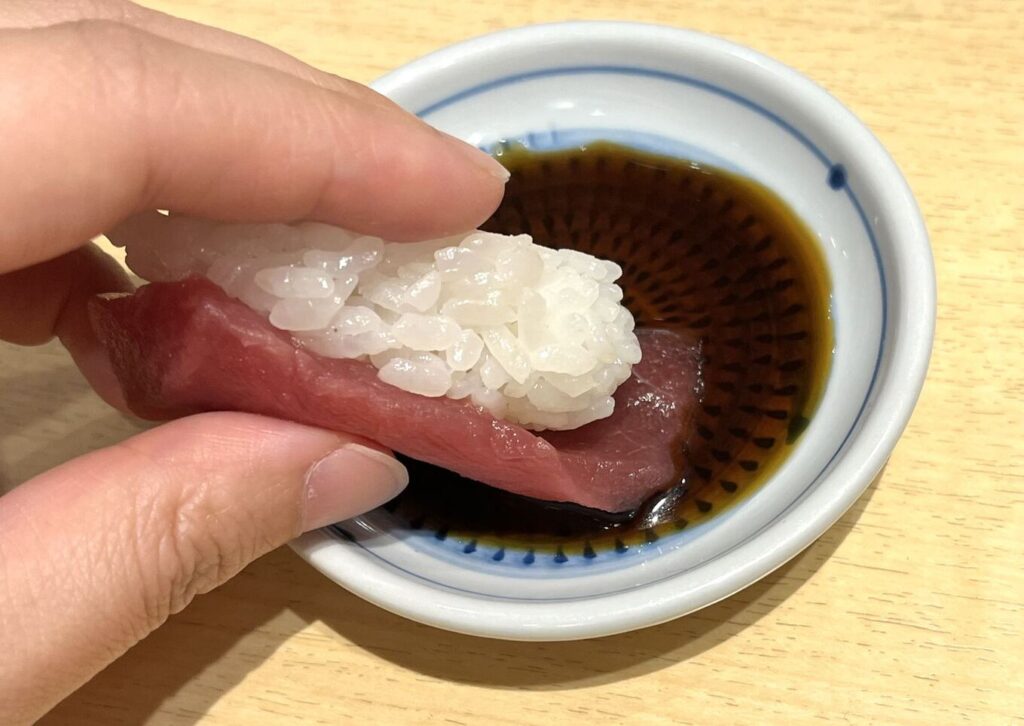
Outside Japan, it is common to mix a large amount of wasabi into soy sauce.
In traditional Japanese sushi, however, wasabi is already carefully placed by the chef between the fish and the rice.
Mixing wasabi into soy sauce can:
- Weaken its aroma
- Overpower the balance of flavors
The Japanese approach:
- Lightly dip only the fish side into soy sauce
- Additional wasabi is usually unnecessary
This allows the sushi to be enjoyed exactly as the chef intended.
2. Should Sushi Be Eaten with a Fork?
Using a fork is not common in Japan.
However, both hands and chopsticks are perfectly acceptable.
What matters most is respecting the sushi itself:
- Do not flip it upside down
- Avoid breaking the shape
Sushi is designed as a single, complete bite, carefully balanced in texture, temperature, and flavor.
3. Does “Omakase” Mean There Is No Menu?
Abroad, omakase is often understood as:
“An expensive experience where you don’t know what you’ll get.”
In Japan, omakase means:
Trusting the chef to serve the best possible sushi for that day, season, and guest.
It reflects:
- Seasonal ingredients
- The chef’s judgment
- The guest’s pace at the counter
Omakase is not about price—it is about trust and timing.
4. Leaving the Rice Is Normal?
Some guests outside Japan eat only the fish and leave the rice behind.
In Japanese sushi culture, this is considered incomplete.
The rice (shari) is just as important as the fish:
- Temperature
- Vinegar balance
- Texture
Each piece is designed as a single harmony.
Leaving the rice breaks that balance.
5. Sushi Always Tastes the Same?
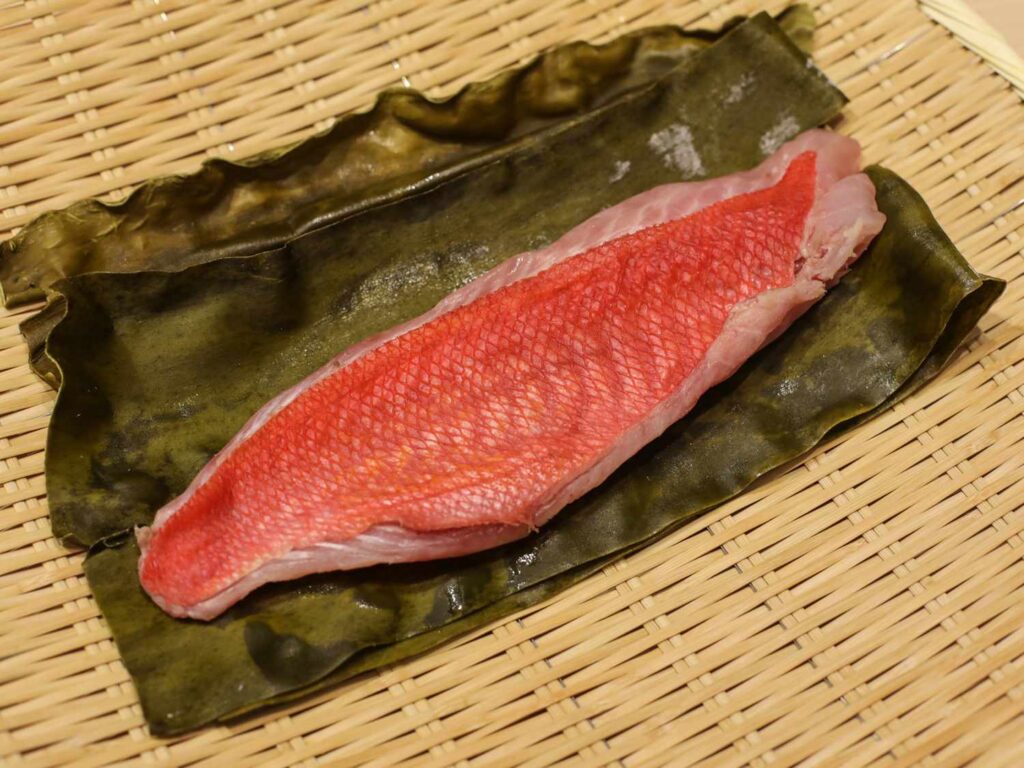
A common misconception is that sushi tastes the same year-round.
In reality, traditional sushi changes daily based on:
- Season
- Fish condition
- Preparation method
The same fish may be served fresh one day, lightly aged the next, or cut differently depending on its condition.
This flexibility is a core element of Edomae sushi.
Understanding Sushi Culture Enhances Flavor
Sushi is more than raw fish.
It represents:
- Japanese aesthetics
- The chef’s craftsmanship
- Respect from the diner
By understanding the culture behind sushi, the experience becomes deeper, more memorable, and more meaningful.
The next time you sit at a sushi counter, try enjoying not only the taste—but also the intention behind it.
If you’re visiting Tokyo and looking for an authentic sushi experience, we invite you to enjoy a carefully crafted omakase at Sushi Shutatsu in Ogikubo.
Our chef prepares each piece using traditional Edo-style techniques, premium ingredients from Toyosu Market, and warm Japanese hospitality.
We look forward to welcoming you and sharing the true taste of Tokyo sushi.