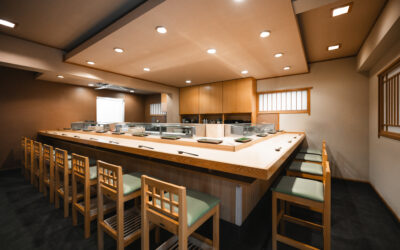
Understanding proper sushi etiquette is essential for fully enjoying your dining experience in Japan. While chefs appreciate guests simply enjoying their food, knowing a few basic sushi etiquette mistakes to avoid ensures a respectful and harmonious atmosphere at the counter. Here are the top 10 manners you should know.
1. Wearing Strong Perfume or Fragrances
Sushi is all about delicate aromas. Strong perfumes, scented lotions, or heavy fabric softeners can interfere with the natural fragrance of the fish.
→ When dining at a sushi restaurant, unscented is best.
2. Wearing Extremely Casual Clothing
Some sushi restaurants discourage shorts and sandals.
→ At Sushi Shutatsu, shorts and sandals are perfectly fine, but excessively dirty or beach-style outfits may be inappropriate.
3. Dunking Sushi Deep into Soy Sauce
Soaking the rice in soy sauce overpowers the chef’s intended balance of flavor.
→ Lightly touch only the fish side to the soy sauce.
4. Breaking or Crushing the Rice with Chopsticks
Shari (sushi rice) is gently formed with air inside to create the best texture.
→ Handle it softly and avoid squeezing or breaking it apart.
5. Taking Too Long to Photograph Your Food
Photos are welcome, but long photo sessions cause the fish temperature to change and the texture to decline.
→ Take a quick shot and enjoy it at its best.
6. Bringing Strong-Smelling Foods or Items
Garlic snacks, aroma sprays, or heavily scented items can alter the entire atmosphere of the counter.
→ These should be avoided in sushi restaurants.
7. Speaking Too Loudly
Sushi counters are intimate spaces.
→ Keep conversations calm and respectful for everyone’s comfort.
8. Leaning Over or Reaching Into the Chef’s Workspace
The counter is the chef’s kitchen.
→ Avoid reaching over the counter or touching tools and ingredients.
9. Leaving Large Amounts of Food Uneaten
Omakase courses are carefully curated.
→ If you have allergies or dislikes, always notify the restaurant in advance.
10. Placing Hard Objects Like Phones or Watches on the Counter
Luxury sushi counters are often made of soft wood (like hinoki).
Hard items such as phones, wallets, keys, or watches can scratch the surface.
→ Many restaurants now provide small trays for guests to place their phones.
→ If unsure, keep valuables on your lap or in your bag.
Frequently Asked Questions about Sushi Etiquette
Q: Is it rude to eat sushi with hands? A: No, it is not rude. In fact, eating nigiri sushi with your hands is traditional and perfectly acceptable sushi etiquette. It allows you to feel the temperature and texture of the rice without breaking it. However, sashimi should always be eaten with chopsticks.
Q: Can I mix wasabi into my soy sauce? A: For a high-end omakase experience, it is generally considered a sushi etiquette mistake to mix wasabi directly into the soy sauce. The chef usually places the perfect amount of wasabi between the rice and the fish. If you need more, you can place a tiny amount directly on the fish.
Q: What is the most important rule at a sushi counter? A: The most important sushi etiquette is to respect the chef, the ingredients, and other guests. Being punctual for your reservation and eating the sushi soon after it is served shows great appreciation for the chef’s craft.
Experience Authentic Edo-style Sushi in Tokyo
Now that you know the etiquette, why not enjoy a truly special meal?
If you’re visiting Tokyo and looking for an authentic sushi experience, we invite you to enjoy a carefully crafted omakase at Sushi Shutatsu in Ogikubo.
https://inline.app/booking/SHUTATSU/SUSHI?language=en
Our chef prepares every piece with traditional Edo-style techniques, premium ingredients from Toyosu Market, and thoughtful Japanese hospitality.
We look forward to welcoming you and sharing the true taste of Tokyo sushi.