he Truth Behind the Record-Breaking 2026 Price and “How Much Is One Piece of Sushi?” Every January, Tokyo’s Toyosu Market hosts the first tuna auction of the year, a tradition that symbolizes Japan’s food culture, good fortune, and craftsmanship. This event is not...
SUSHI SHUTATSU's Blog
On the Sushi Shutatsu blog, we’ll be sharing a wide range of topics—from simple etiquette tips for enjoying your visit to a sushi restaurant, to our philosophy behind crafting sushi, as well as fun and informative facts about seasonal fish and ingredients.
Why Fish Smell Often Comes from “Water,” Not the Fish Itself
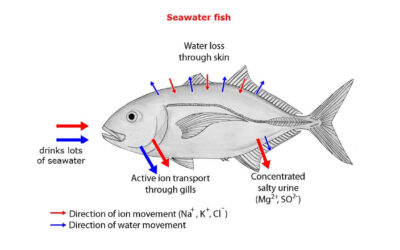
— A Sushi Chef’s Way of Thinking About Osmosis — Have you ever thought,“This fish smells a bit fishy…” even though it looks fresh? In many cases, the problem isn’t the fish itself.It’s the moisture inside and on the surface of the fish. Fishy smell comes from...
Why Some Famous Japanese Restaurants Are Surprisingly Quiet in February and August
Many travelers imagine Japan’s restaurants as always crowded — long lines, fully booked counters, and busy dining rooms every night.While this is often true, there are two surprising exceptions in the Japanese food industry: February and August. In Japan, restaurant...
Sushi × Japanese Tea Pairing Logic
The idea is similar to wine pairing: sometimes we match intensity, and sometimes we refresh the palate with contrast. 1. Match or Contrast ・Match (Synergy): Rich sushi pairs with rich tea, enhancing umami. Example: Fatty tuna × Gyokuro (umami + umami). ・Contrast...
Commonly Misunderstood Sushi Culture Abroad
— Understanding Sushi Deepens the Experience — Sushi is now enjoyed all over the world, but many aspects of Japanese sushi culture are often misunderstood abroad. At our counter, we frequently welcome international guests, and from time to time, we gently explain...
What Is Yamayuki Tuna?
Yamayuki tuna is a premium Japanese bluefin tuna sourced from Toyosu Market in Tokyo. The Bluefin Tuna Trusted by Japan’s Top Sushi Chefs When talking about premium Japanese tuna, one name inevitably stands out: Yamayuki. Yamayuki is not simply a seafood supplier. It...
Basic Japanese Dining Manners
A Guide from a Sushi Restaurant When dining in Japan—especially at a sushi restaurant—manners are not about strict rules or formality.They are about respect: respect for the food, the chef, and the people around you. Here are some essential dining manners to help you...
What Is Ehomaki?
A Special Japanese Sushi Tradition Eaten for Good Fortune In early February, you may hear the word “Ehomaki” in Japan.Ehomaki is a special type of thick sushi roll traditionally eaten on Setsubun, a seasonal event in which people pray for health, happiness, and...
Edomae Sushi Explained: Why Sushi Chefs Use Salt (And When They Don’t)
Why Sushi Chefs Use Salt — and Why Not Every Fish Needs It When people outside Japan hear the term Edomae sushi, they often imagine “very fresh fish served raw.”However, authentic Edomae sushi is not about serving fish as-is. It is about technique, preparation, and...
Alum-Treated Uni vs Additive-Free Uni
Why Many People Dislike Uni — and What Uni Really Tastes Like Many people say they dislike uni (sea urchin).However, in most cases, the reason is not the uni itself, but the taste of alum, a food additive. Uni Flavor Depends on Species, Origin, Season, and Processing...
Related Articles
Toyosu Tuna Auction Explained
he Truth Behind the Record-Breaking 2026 Price and “How Much Is One Piece of Sushi?” Every January, Tokyo’s Toyosu Market hosts the first tuna auction of the year, a tradition that symbolizes Japan’s food culture, good fortune, and craftsmanship. This event is not...
Why Fish Smell Often Comes from “Water,” Not the Fish Itself
— A Sushi Chef’s Way of Thinking About Osmosis — Have you ever thought,“This fish smells a bit fishy…” even though it looks fresh? In many cases, the problem isn’t the fish itself.It’s the moisture inside and on the surface of the fish. Fishy smell comes from...
Why Some Famous Japanese Restaurants Are Surprisingly Quiet in February and August
Many travelers imagine Japan’s restaurants as always crowded — long lines, fully booked counters, and busy dining rooms every night.While this is often true, there are two surprising exceptions in the Japanese food industry: February and August. In Japan, restaurant...