When you visit a sushi restaurant in Japan, you’ll almost always find gari—pickled ginger—placed beside your sushi. Many people assume its only purpose is to “reset the palate,” but gari actually plays a much more important role in traditional sushi dining. In this article, we’ll explore the real meaning, function, and craftsmanship behind gari—including how we prepare it at Sushi Shutatsu.
1. Gari Is More Than a Palate Cleanser It’s true that gari helps refresh your palate between different types of fish.
But this is only one part of what it does. The real functions of gari • Antibacterial properties
Ginger naturally inhibits bacterial growth, making it perfectly suited for a cuisine centered around raw fish. • Cleansing and refreshing the palate
After richer fish like tuna, salmon, or yellowtail, gari helps lighten the mouth and restore balance. • Supporting digestion and warming the body
Because raw fish can cool the body, ginger helps promote circulation and maintain warmth—an element deeply connected to Japan’s traditional dining culture.Should You Eat Gari Together with Sushi? Traditionally, gari is not eaten at the same time as a piece of sushi.
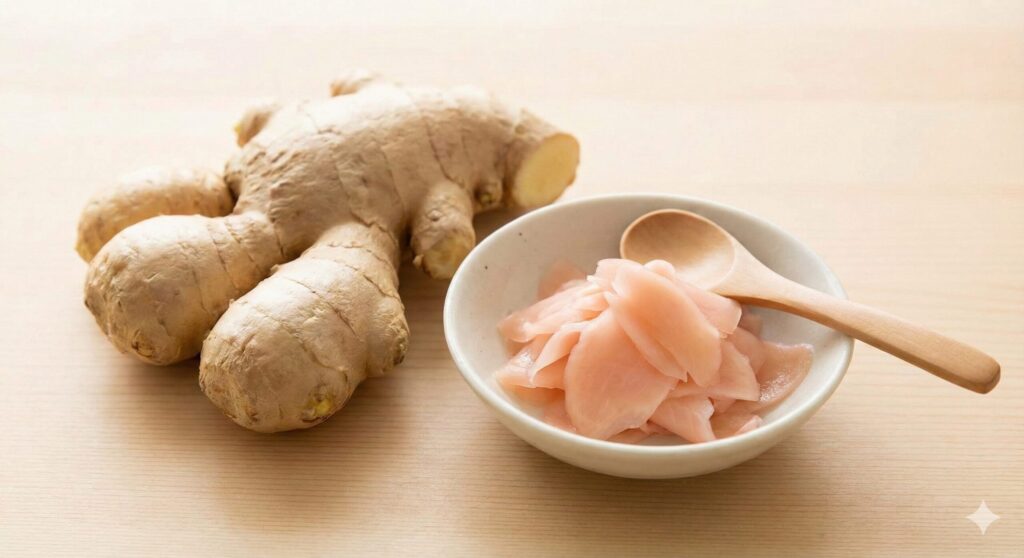
2. Should You Eat Gari Together with Sushi? Traditionally, gari is not eaten at the same time as a piece of sushi.
Its strong aroma can overshadow the careful balance of temperature, seasoning, and texture crafted by the chef. However—this is simply a guideline.
If you enjoy eating them together, you’re welcome to do so. Sushi is meant to be enjoyed freely.
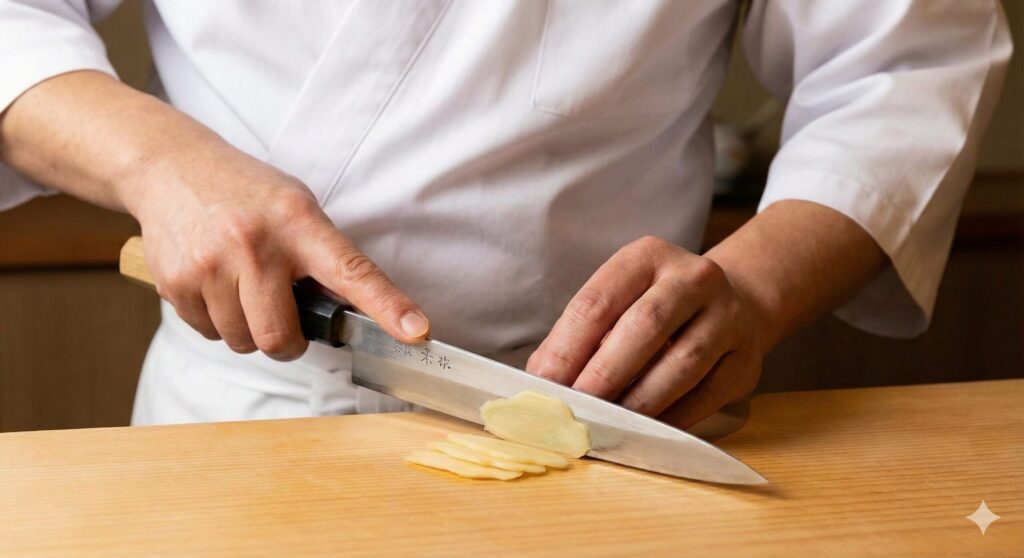
3. The Craftsmanship Behind Gari Gari is not just a casual side item.
A sushi chef adjusts:
the sharpness and fragrance of the ginger the acidity and sweetness of the vinegar
- The thickness and texture of each slice
- These details ensure that gari complements sushi perfectly.
- Our approach at Sushi Shutatsu At Sushi Shutatsu, we treat gari with the same attention as our fish and rice.
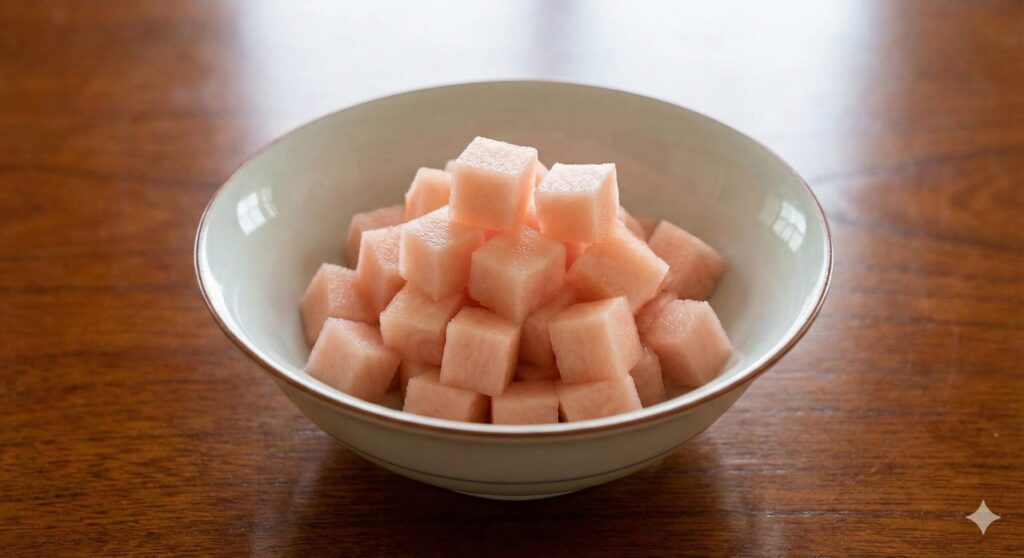
Unlike the thin slices commonly found in many restaurants, our gari is cut into small cubes.
This creates a unique, crisp texture and makes it easy to enjoy in a single bite.
The cube shape also allows guests to experience ginger’s natural freshness and gentle heat more fully.
4. Gari’s Role: A Supporting Partner to Sushi Because each piece of sushi offers a different flavor, gari plays an essential part in maintaining balance throughout the course. A simple flow to follow is:
Enjoy a piece of sushi Refresh the palate with gari only when needed Move on to the next piece This creates a beautiful rhythm and helps you appreciate the omakase progression as intended. Conclusion Gari is far more than a garnish.
It is a thoughtful companion designed to enhance the entire sushi experience—from palate cleansing to digestion and overall harmony. At Sushi Shutatsu, we handcraft our cube-cut gari with care so that every guest can enjoy the most refined balance of flavors throughout the omakase. Invitation to Sushi Shutatsu If you’d like to experience authentic Tokyo sushi, we welcome you to book an omakase at Sushi Shutatsu in Ogikubo.
Our chef blends Edo-style technique with Toyosu’s premium seafood to create a memorable dining experience.